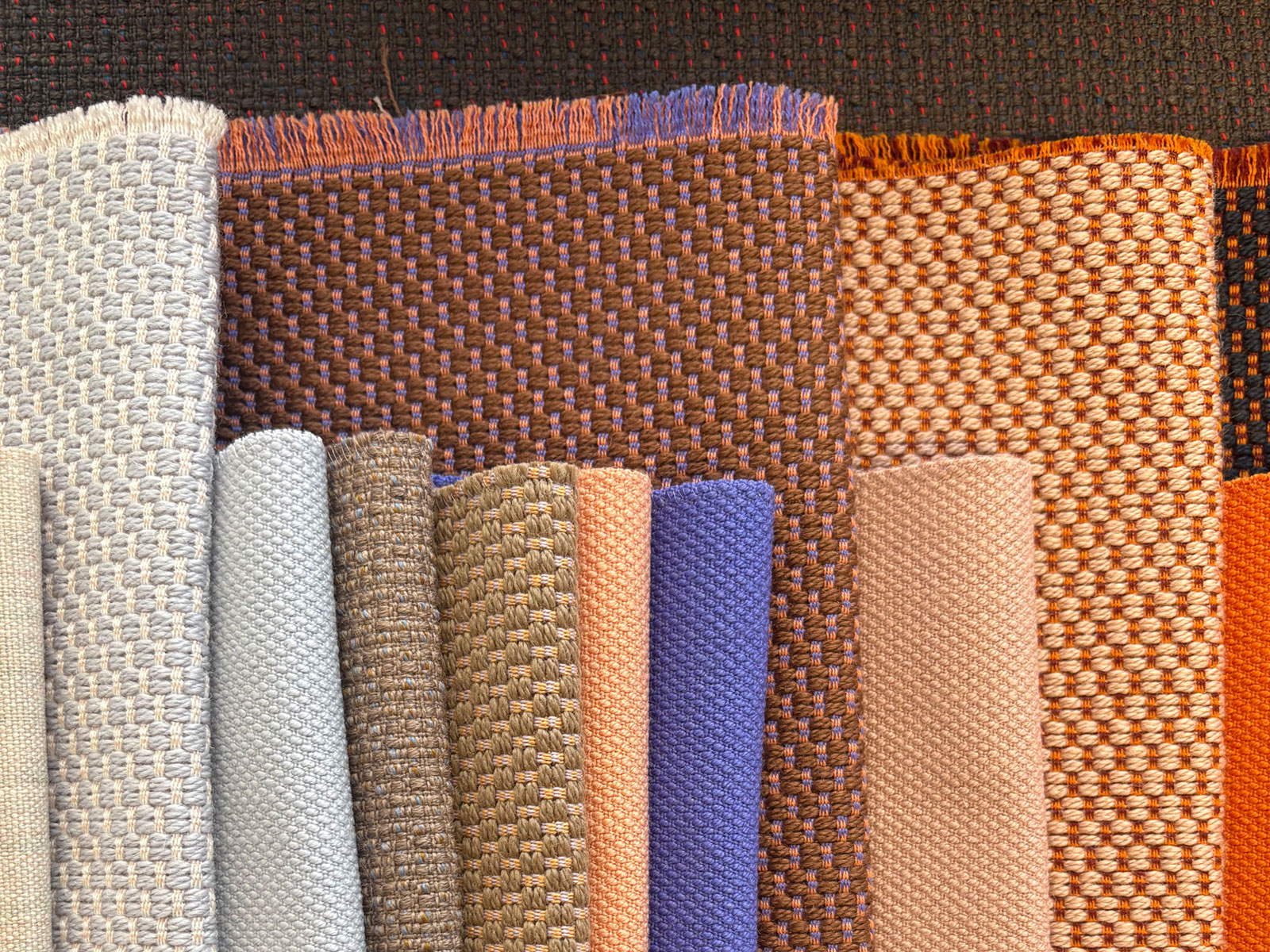
Clerkenwell Design Week is one of the key events in the calendar for architects and interior designers, offering a barometer for where interior design is heading next.
For our interior design studio at Spratley & Partners, this year’s festival felt particularly focused on joy, colour and interaction in interior spaces and on how these themes can translate into workplaces, hospitality and residential projects for our clients across London, Bristol and Henley-on-Thames.
Joy, bold colour and “timeless” interiors
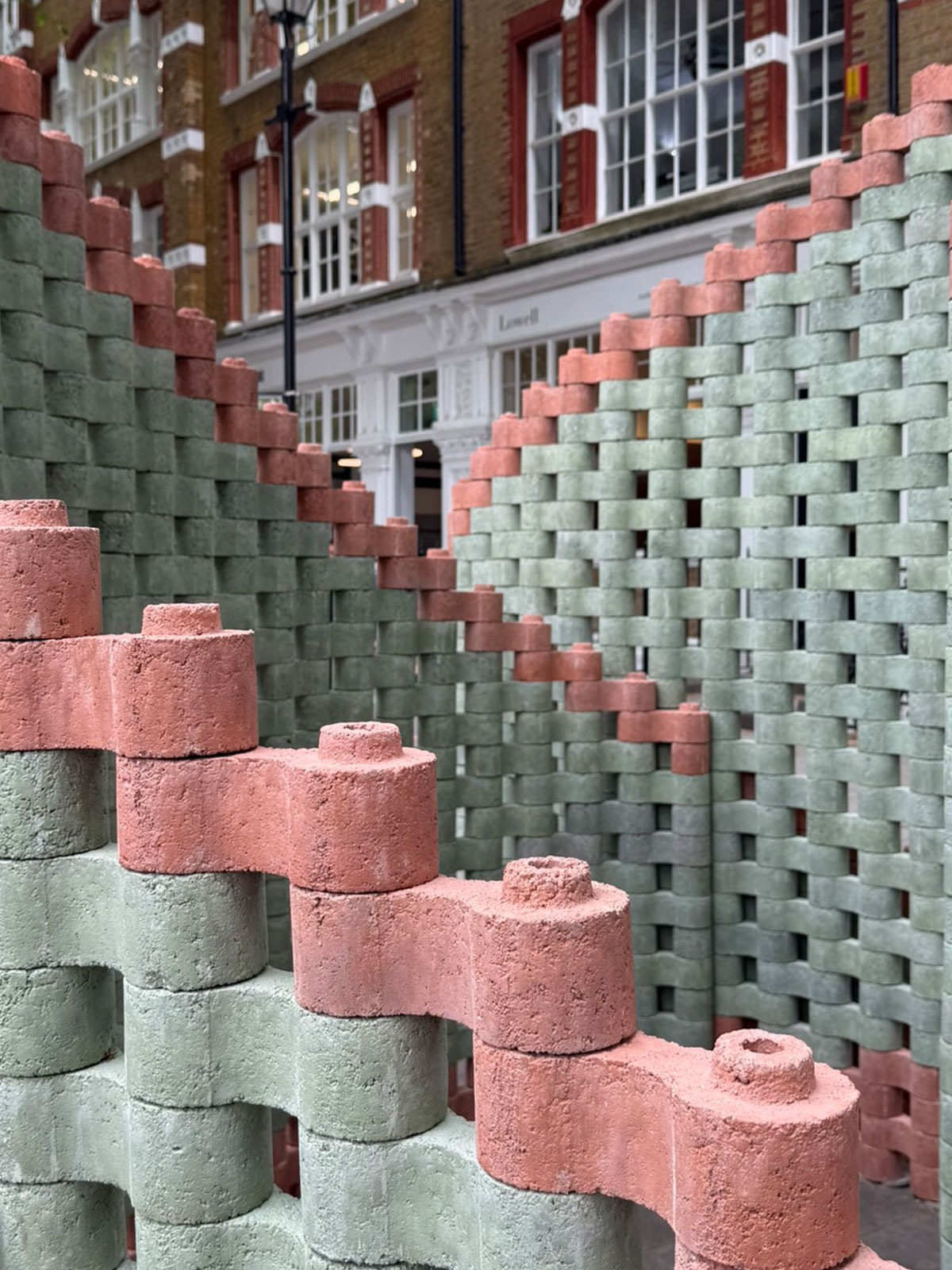
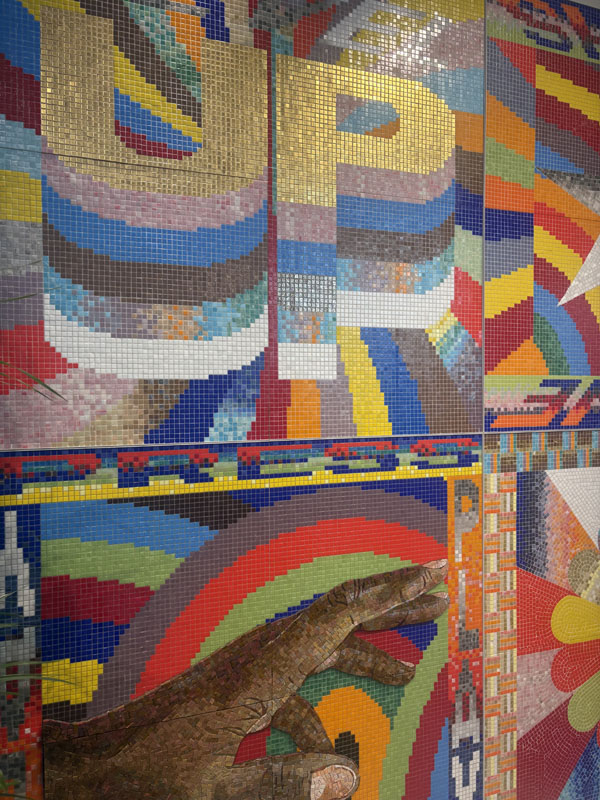
Across Clerkenwell, joy felt like a big theme this year – perhaps much needed in the 2026 global climate. Bold colour, confident palettes and playful storytelling were everywhere, raising a familiar question in interior design: can bold colours be timeless?
Traditionally, “timeless” interiors have leaned towards muted, neutral schemes, especially in workplaces and high-traffic spaces. Yet the work on show suggested a growing confidence in using saturated colour as a long-term design strategy, supporting brand, wayfinding and wellbeing rather than simply following a trend.
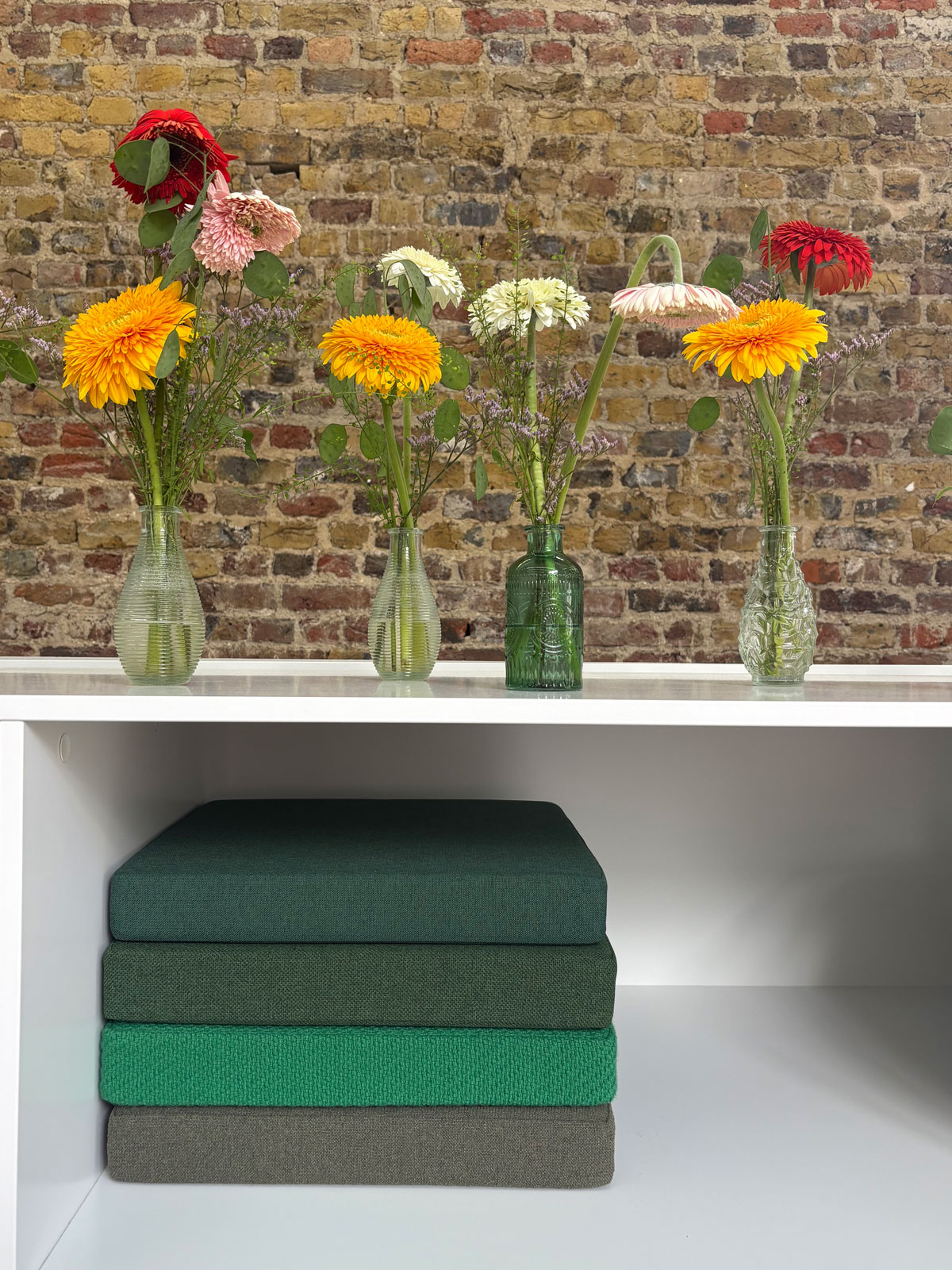
In some ways, it also felt like a quiet rejection of chromophobia – the long-standing tendency within design to default to ‘safe’ neutrals – and a move towards embracing colour as something enduring rather than risky. Lime and emerald greens (including matcha-inspired tones) and deep, fig-like browns and purples were particularly prominent this year, grounding spaces and adding richness.
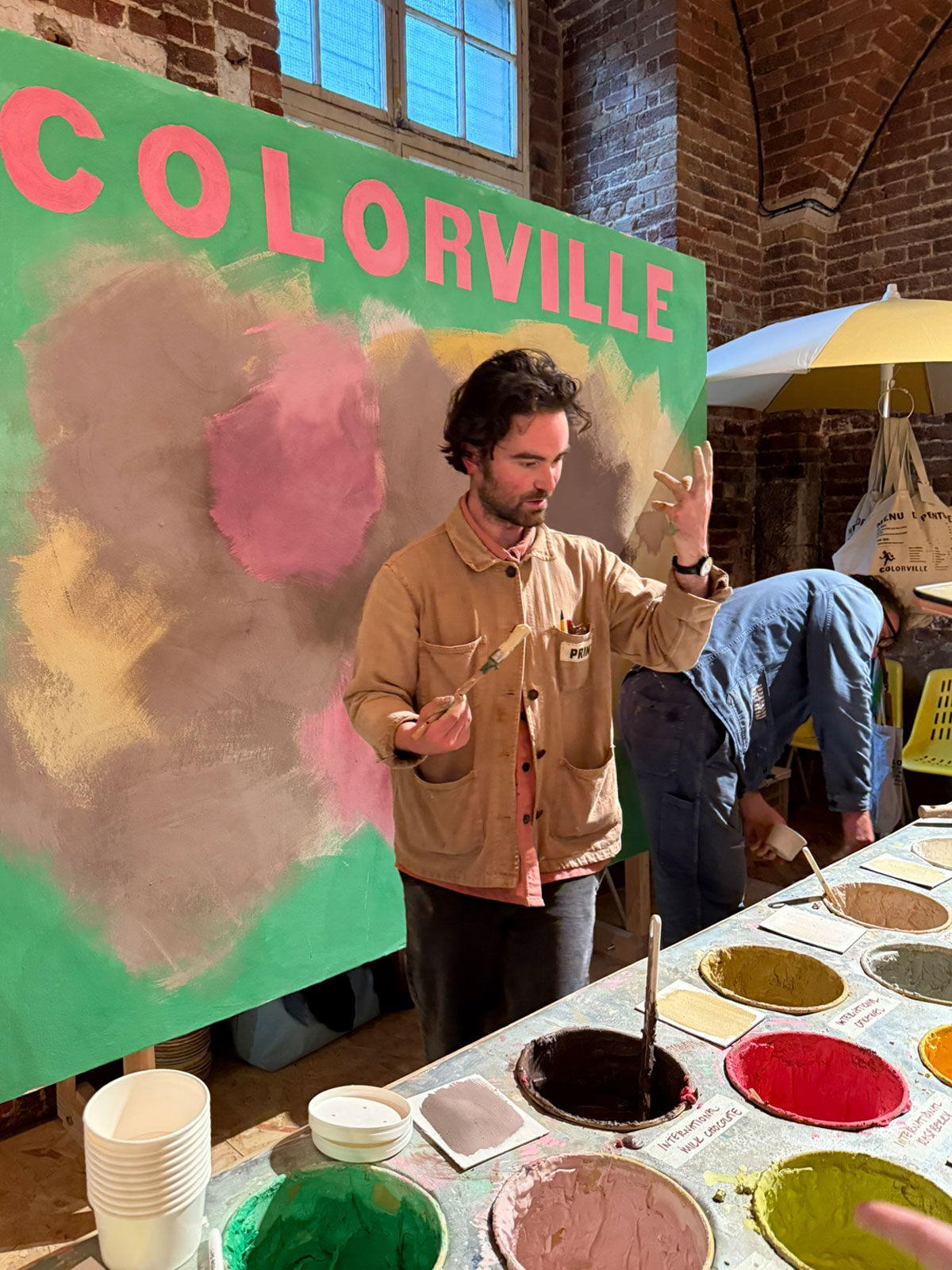
Colour consultancy Luminary Colour referenced “very dark fig” as a current favourite, drawing inspiration from recent work in India and demonstrating how deep, complex colours can feel both contemporary and enduring. At the lighter end of the spectrum, Colourville’s ‘ice cream parlour’ stand embraced a playful, almost nostalgic palette – joyful, familiar and unafraid of colour that makes you smile.
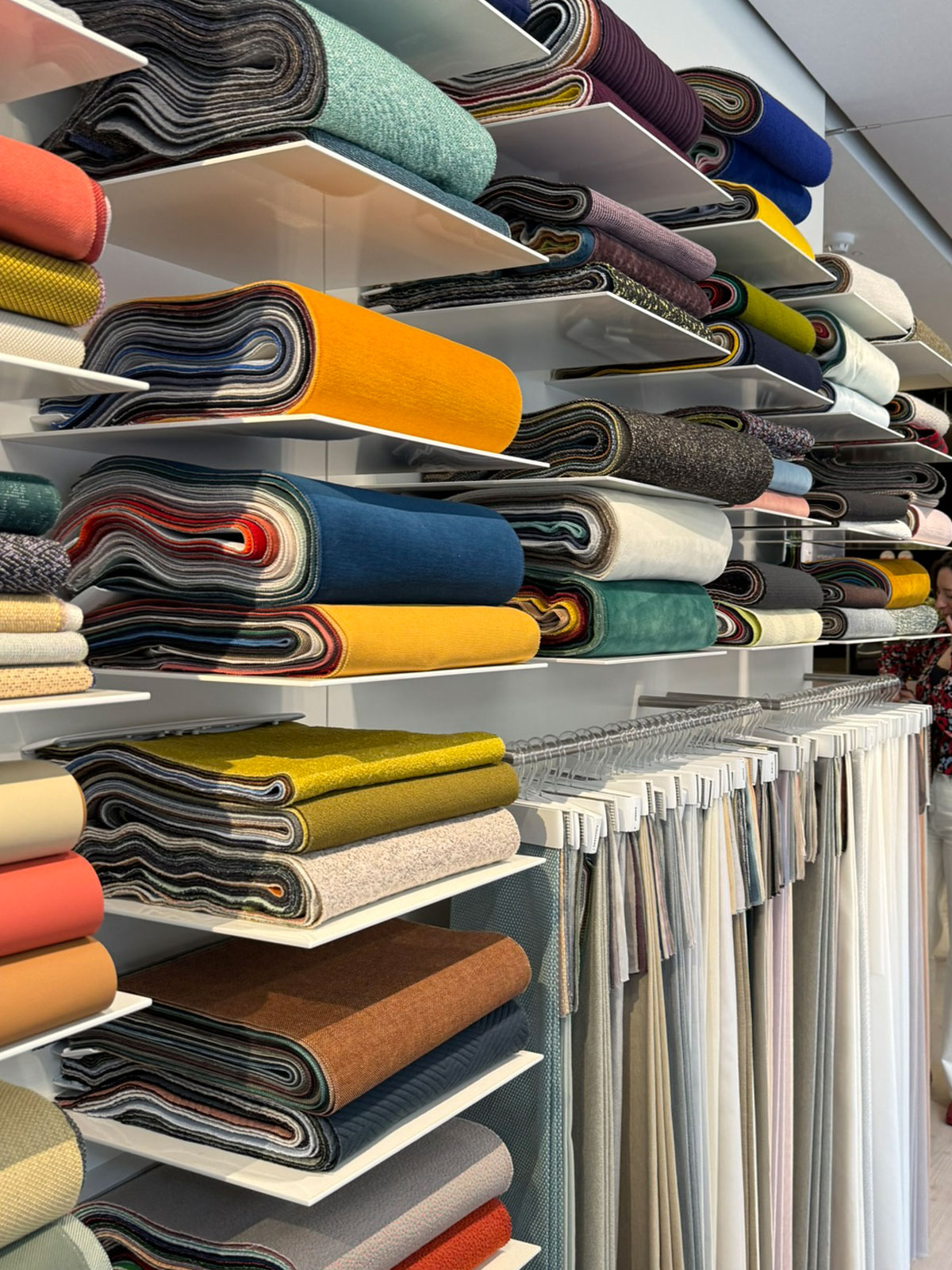
Textiles, tactility and comfort
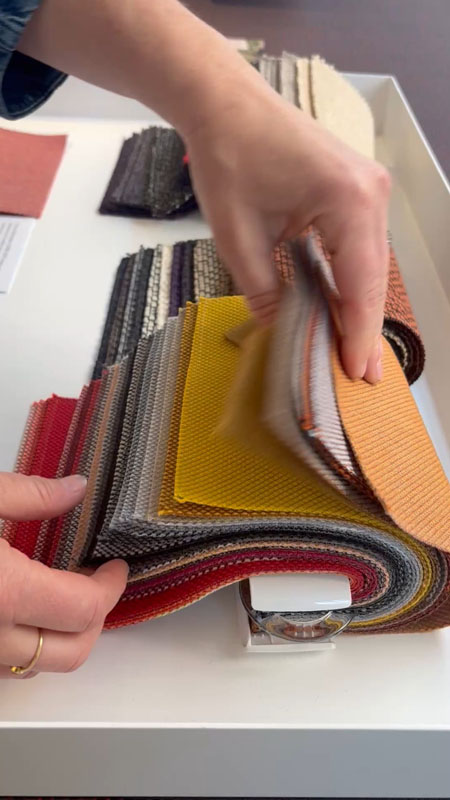
Textiles had a strong presence throughout Clerkenwell, reinforcing the shift towards interiors that are as much about feel as they are about look. Danish manufacturer Kvadrat’s ‘Twisted Flower’ collection stood out to us: a new woollen upholstery textile that brings together the colour expertise of Giulio Ridolfo and the weaving innovation of the late Frans Dijkmeijer, inspired by their shared love of botanicals.
While florals and nature-based motifs are nothing new, their continued reinterpretation through nuanced colour and weave shows how enduring that connection to the natural world remains. Palettes that echo petals, stems and foliage in subtle, contemporary ways helped create schemes that felt both rich and calm.
We were also drawn to fabrics from US producer Maharam, whose collections continue to balance durability with a refined, quiet luxury. For clients where longevity and maintenance are key – busy workplaces, hotels and shared amenity spaces – these kinds of textiles offer a way to introduce colour and texture without sacrificing practicality.
Across many of the furniture showrooms, forms were softer and more inviting. Curved edges, generous upholstery and muted bases created a sense of comfort that sits well with the way people now expect to use space – working, meeting, socialising and resting in more fluid ways. For us, this reinforces the importance of designing interiors that adapt to multiple modes, rather than prescribing a single way to use a room.
Lighting: a quieter year
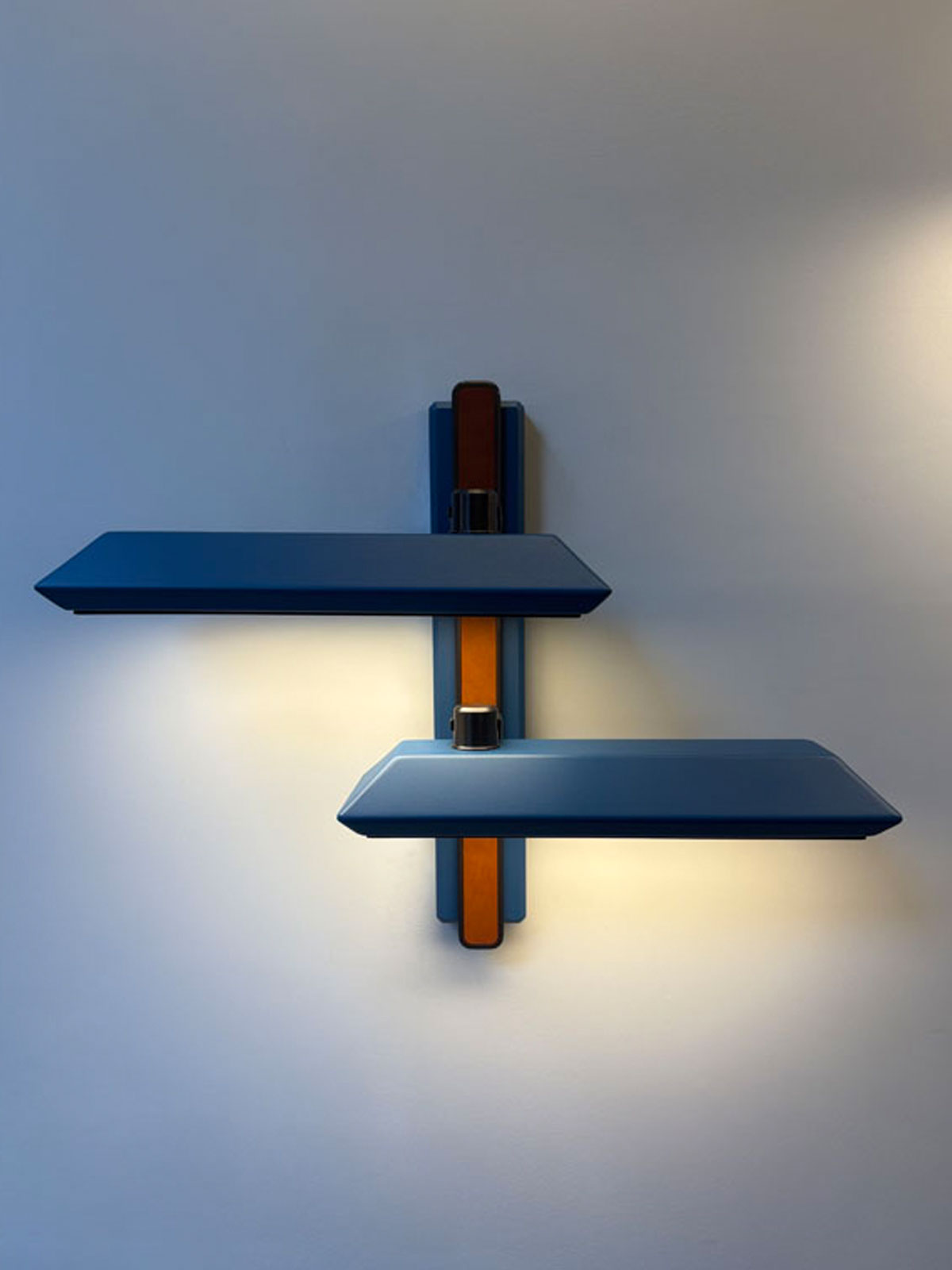
Lighting, by contrast, felt more subdued. While there were well-crafted pieces, there was less visible innovation than in colour and textiles. It felt like lighting played a supporting role rather than taking centre stage this year.
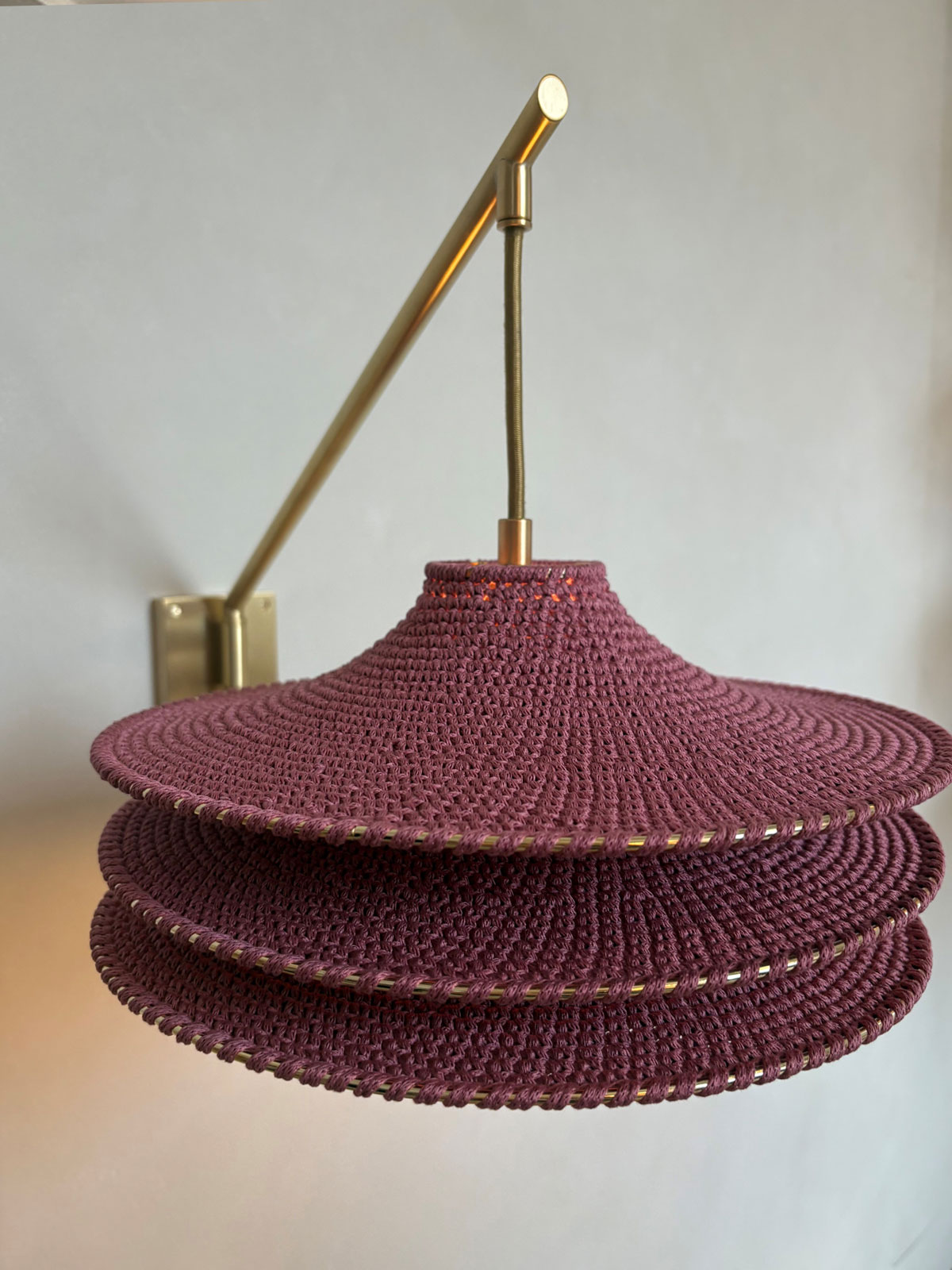
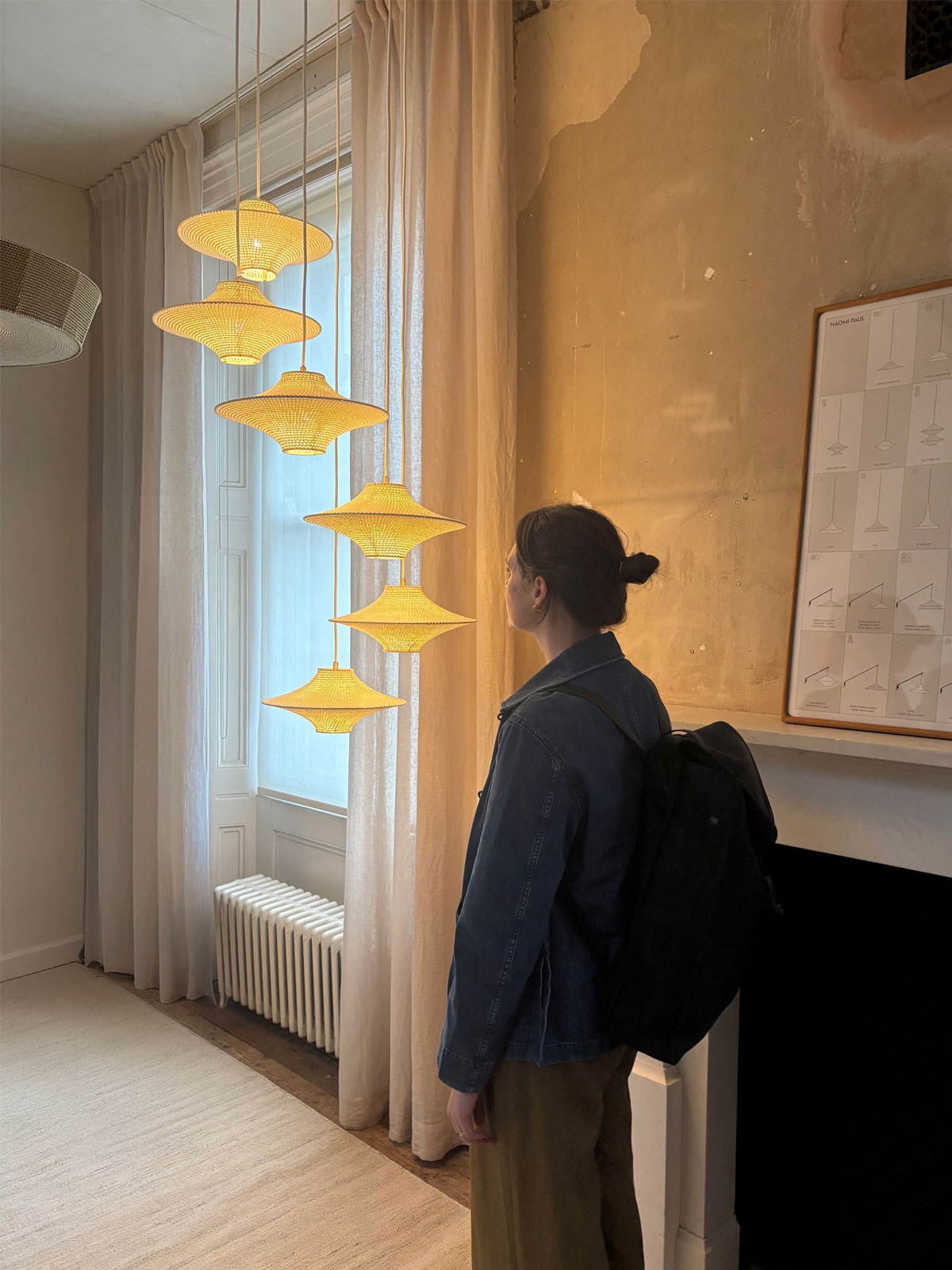
For us, that only underlines how important it is to treat lighting as an integrated part of the interior concept, shaping atmosphere, comfort and focus, rather than as a late-stage layer. We were, however, very impressed by Naomi Paul’s handmade contemporary crocheted pendant lights, where distinctive colour, texture and form came together beautifully.
Interactive installations and inclusive design
We were especially drawn to the installations that invited participation rather than just passive viewing. A standout for us was ‘Fountain of Technicolour Beads’ by One Bite Studio in Clerkenwell Green. We happened to walk past as the piece was being assembled, with the designer quietly tracking every adjustment from the sidelines. It was a useful reminder of the time, coordination and care that sit behind seemingly effortless festival moments.
The installation also demonstrated how digital interaction can deepen the narrative behind a piece. A simple QR code invited visitors to respond to a call for greater inclusivity in design, specifically raising awareness of Colour Vision Deficiency (CVD), more commonly known as colour blindness. It showed how a playful, joyful installation can still carry a serious message about who we design for and who may be left out if we are not intentional.
Crafted legacy: British-made furniture and Tamart
Tamart is a new design brand founded by London-based, award-winning architect Amos Goldreich, created to honour the work and love story of his late parents, modernist architects and polymaths Tamar de Shalit and Arthur Goldreich. Building on an archive of more than 10,000 original plans, photographs and prototypes, Tamart reimagines twelve mid-century wooden furniture pieces, including an innovative magnetic stool that can be configured as a table – a quietly radical 3‑in‑1 seating concept designed for versatility, offering specifiers multiple configurations while extending the lifecycle of each piece.
Crafted in collaboration with Barnby Design, the collection places British making at its core, preserving a legacy of quality craftsmanship and understated detail. Finely worked timber, refined joints and a calm, modern sensibility give the pieces a character that feels rooted in tradition yet entirely contemporary, with a focus on longevity and quiet attention to detail.
What Clerkenwell 2026 means for our interiors work
For our interior design studio at Spratley & Partners, Clerkenwell 2026 reinforced themes we are already exploring with clients across workplaces, hospitality and residential projects. Taken together, these trends point towards interiors that are more human, more joyful and more inclusive –attributes that align with how we approach retrofit, workplace and hospitality design across our studios in London, Henley-on-Thames and Bristol.
If you are exploring how to bring more personality, comfort and longevity into your interiors, our team can help you translate these ideas into practical, buildable schemes tailored to your organisation and budget. Whether you are reviewing an existing workplace, hotel or residential building and considering how to refresh it without a full rebuild, our interior design studio can help you explore options around colour, layout and materiality.
Talk to our interior design team
To discuss a new project or review an existing space, get in touch with our interior design studio at Spratley & Partners. We’ve developed recognised expertise in retrofit and adaptive reuse, interior design and workplace strategy – and we’d be happy to explore how Clerkenwell-inspired ideas could support your next project.