Farringdon Point
Spratley & Partners has reimagined a prominent office building within the Hatton Garden Conservation Area as a human‑centric, wellbeing‑led workplace that people actively choose to use, while responding to the specific planning sensitivities of its conservation area context. At 33 Farringdon Point, the focus is on creating a destination environment that supports focus, collaboration, social connection and moments of retreat, rather than a conventional office upgrade.
This transformation took place within a live, mixed‑use building in one of central London’s most competitive leasing markets, where existing occupiers needed to remain operational throughout and frontage upgrades needed to align with Camden’s planning aspirations.
At the heart of the design is a human‑centric approach, recognising that today’s workplaces must support a diverse range of needs, from focused work to collaboration, social interaction and moments of retreat.
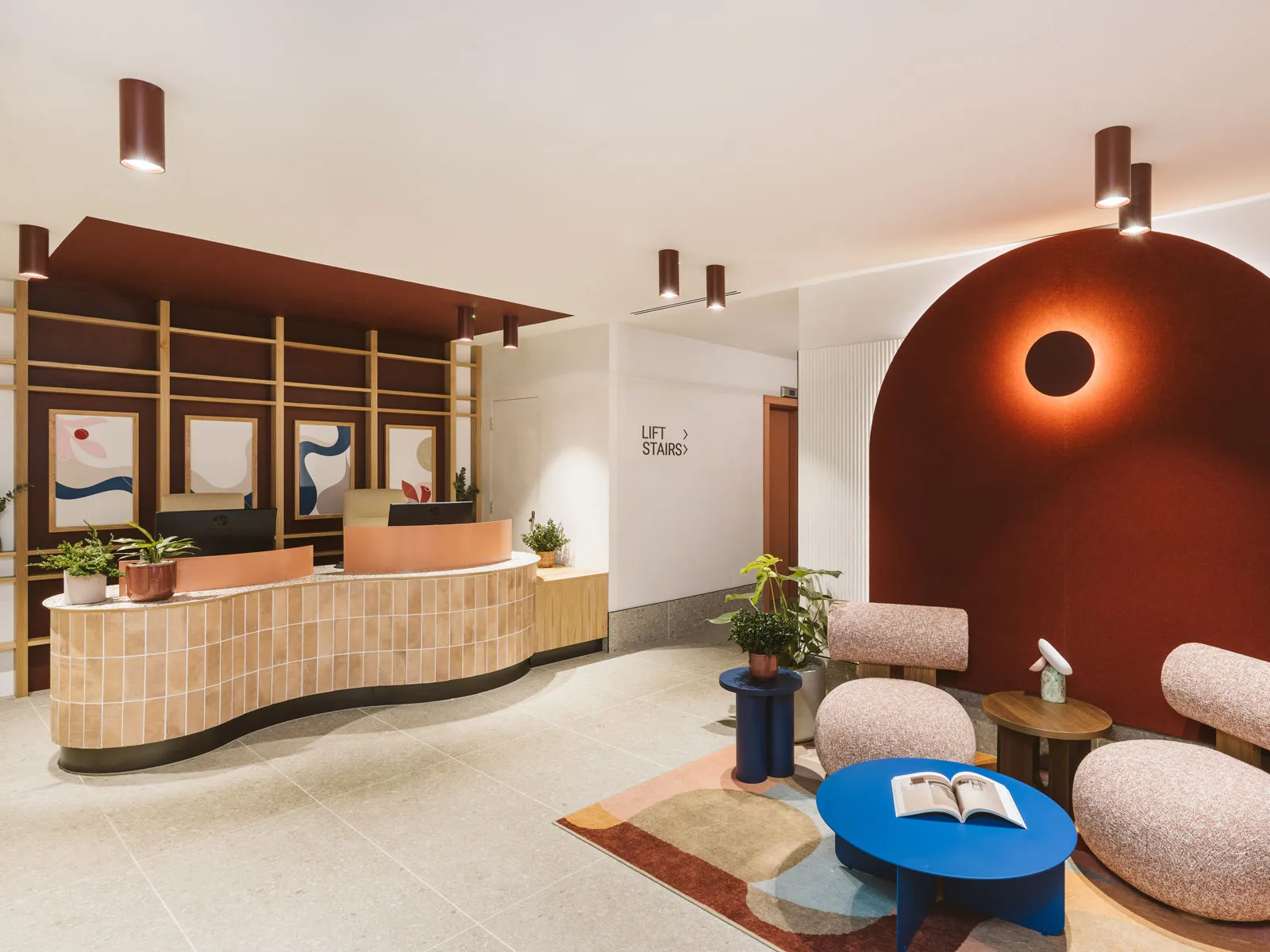
Spratley & Partners reimagined the building’s entrance sequence with a new reception and distinctive frontage, giving Farringdon Point a clearer presence on the street and establishing a strong first impression. Warm materials, integrated lighting and refined detailing are combined to enhance the everyday experience of arrival.
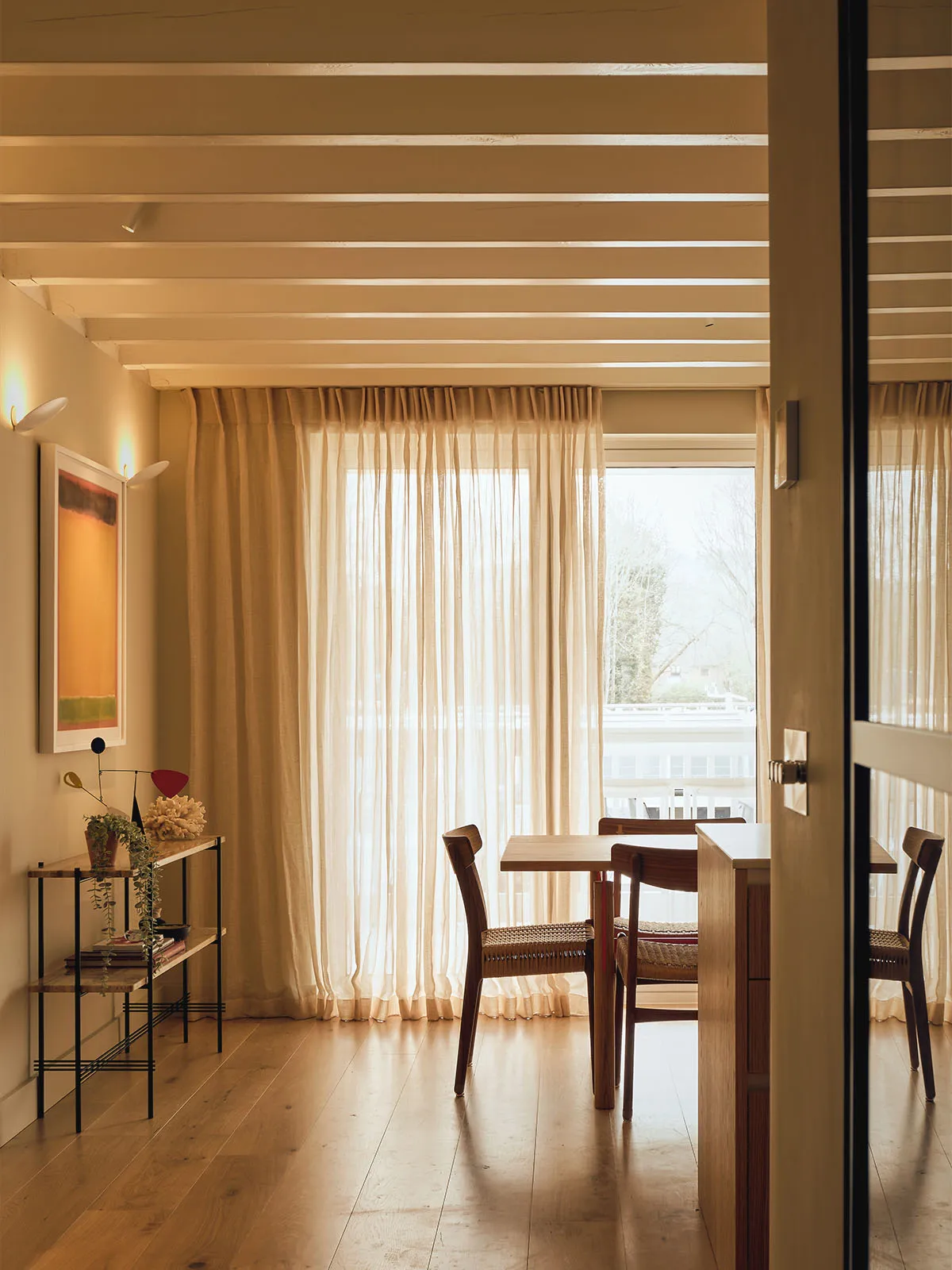
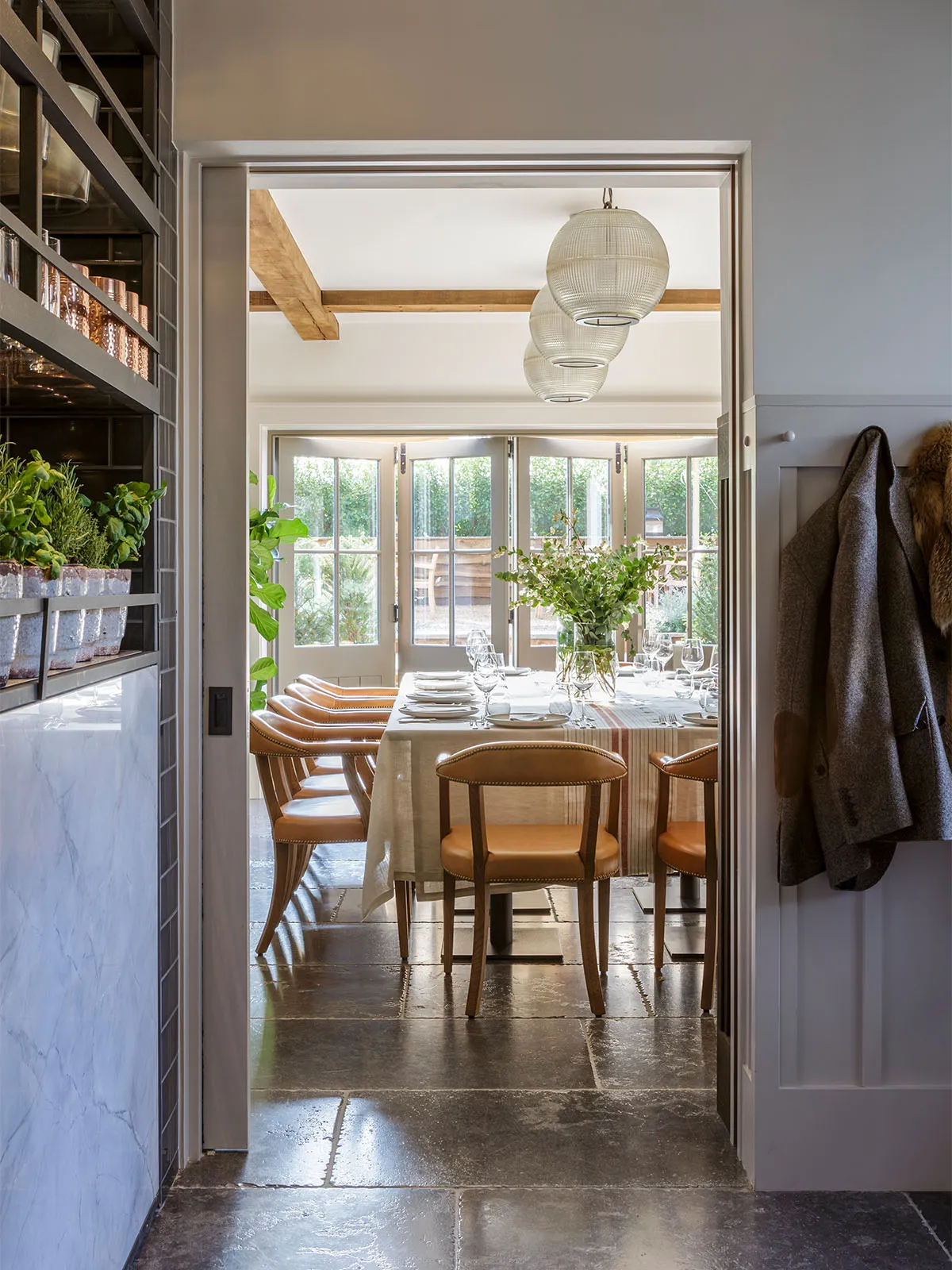
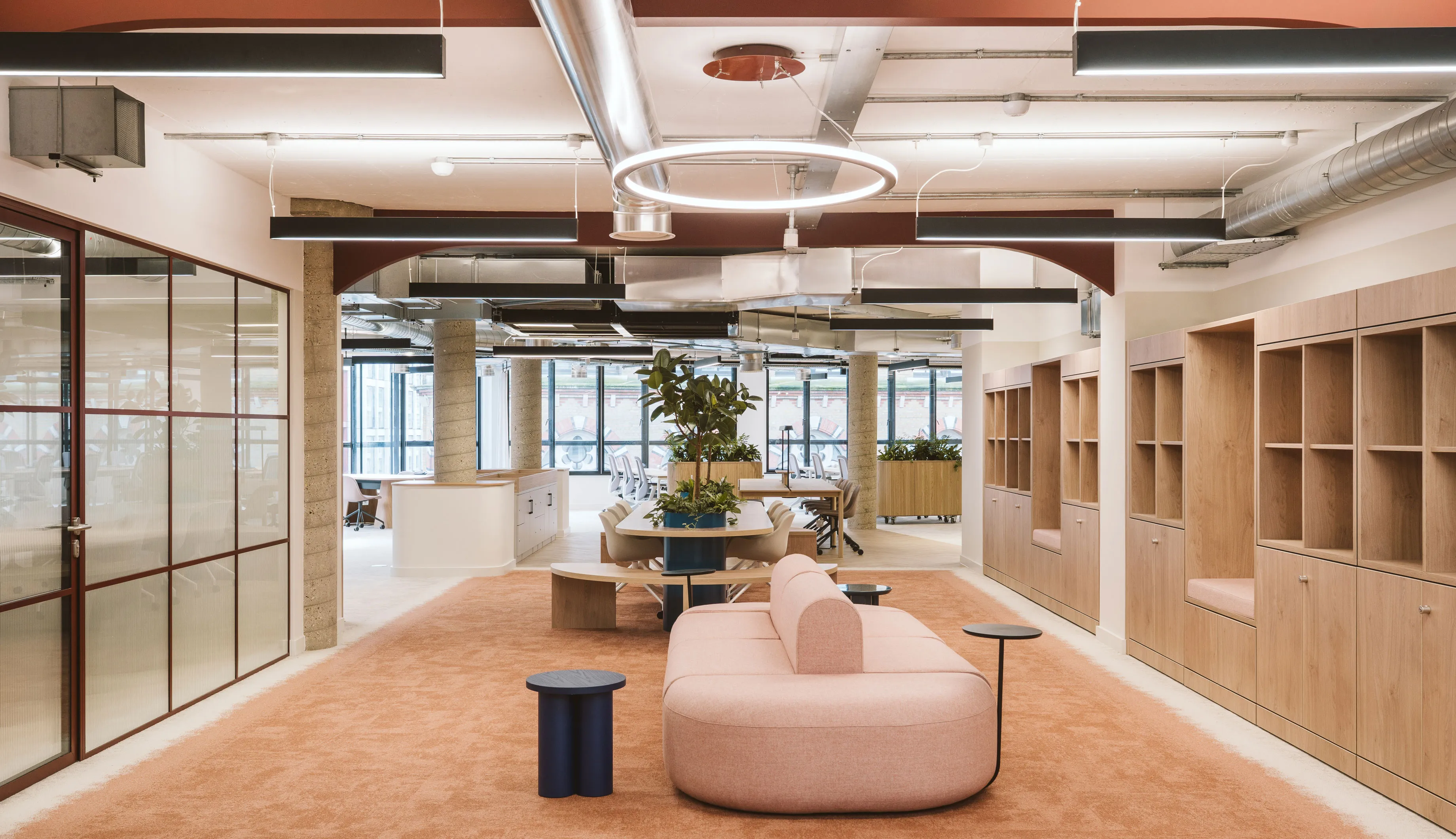
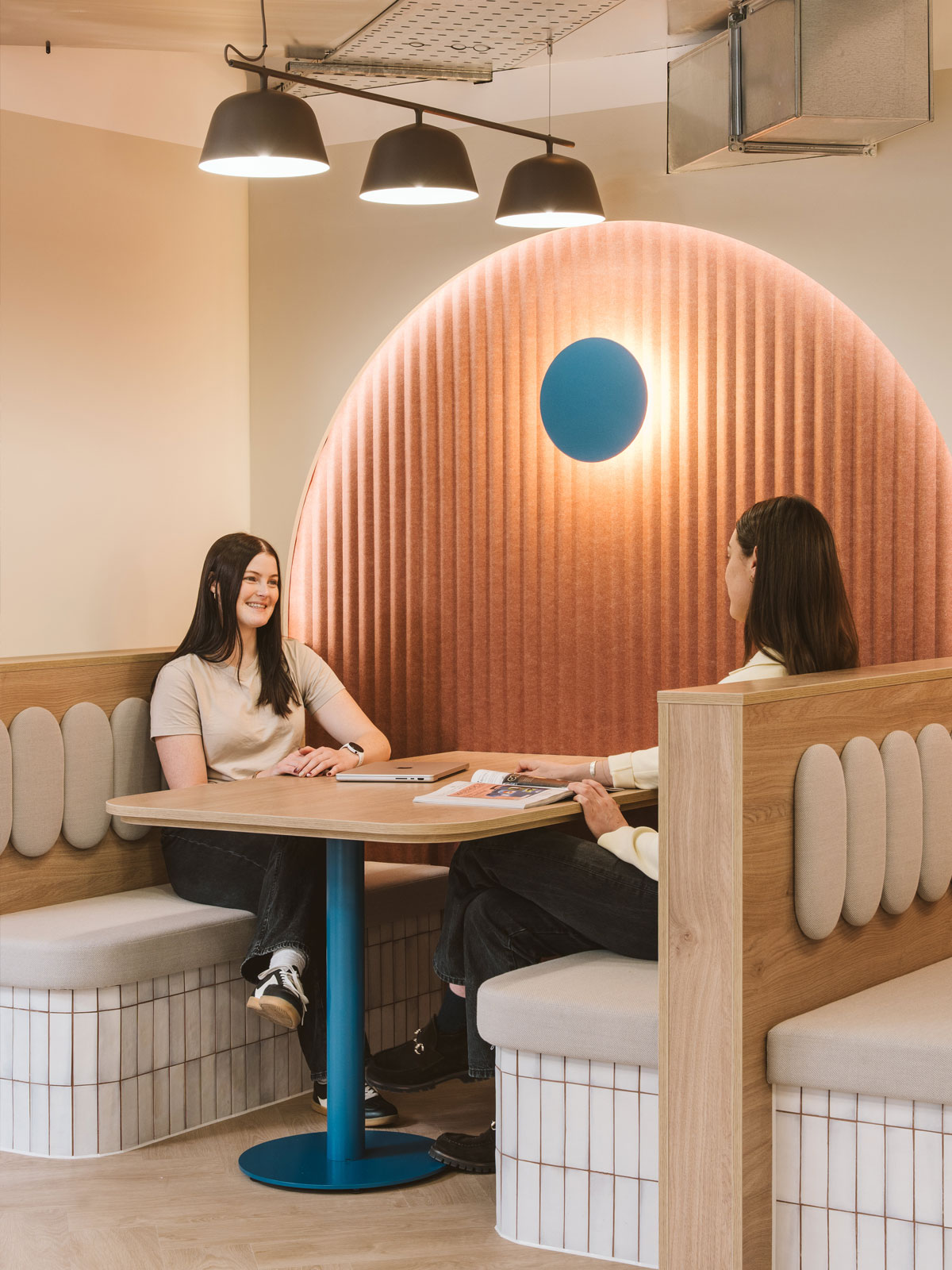
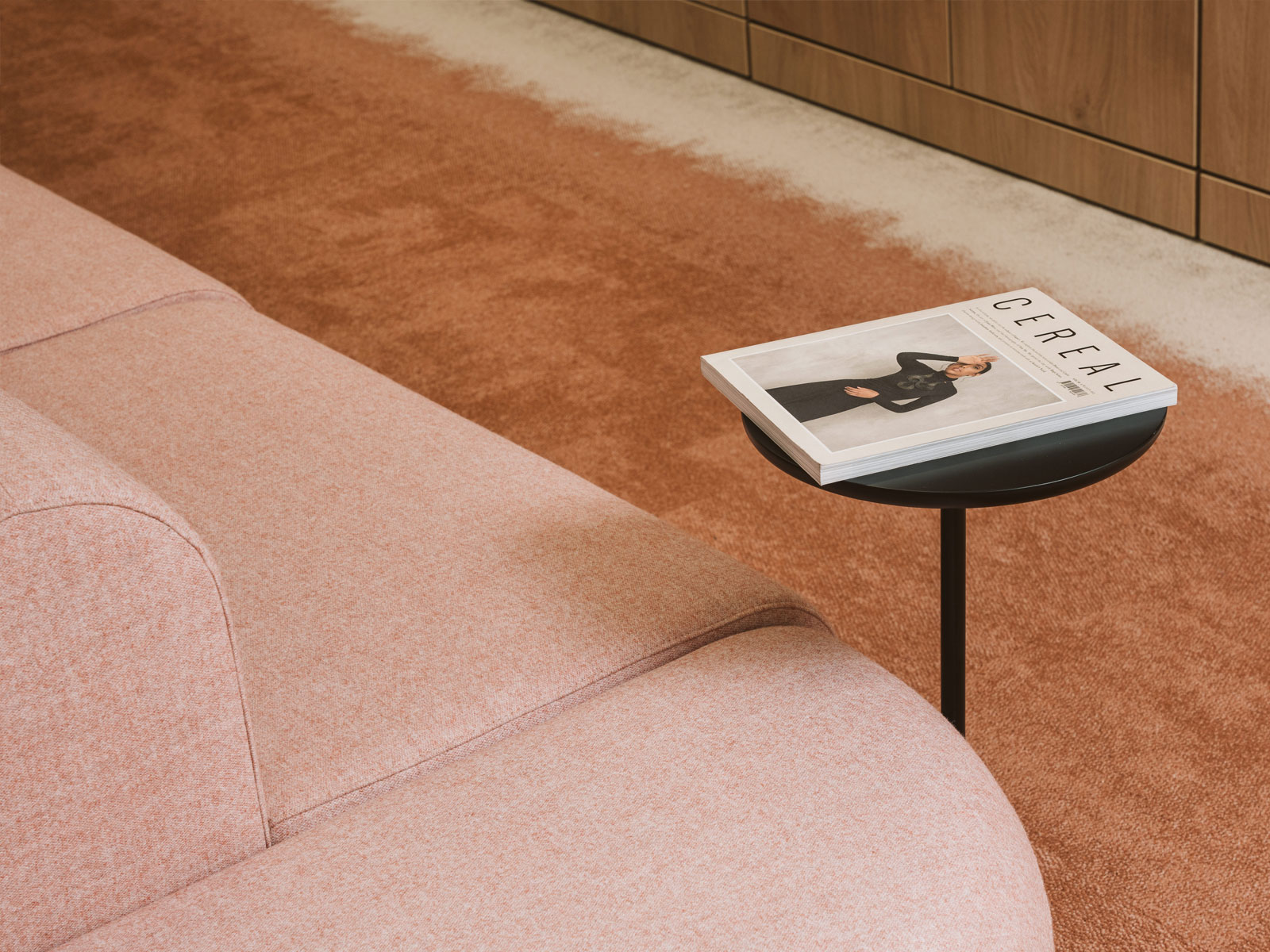
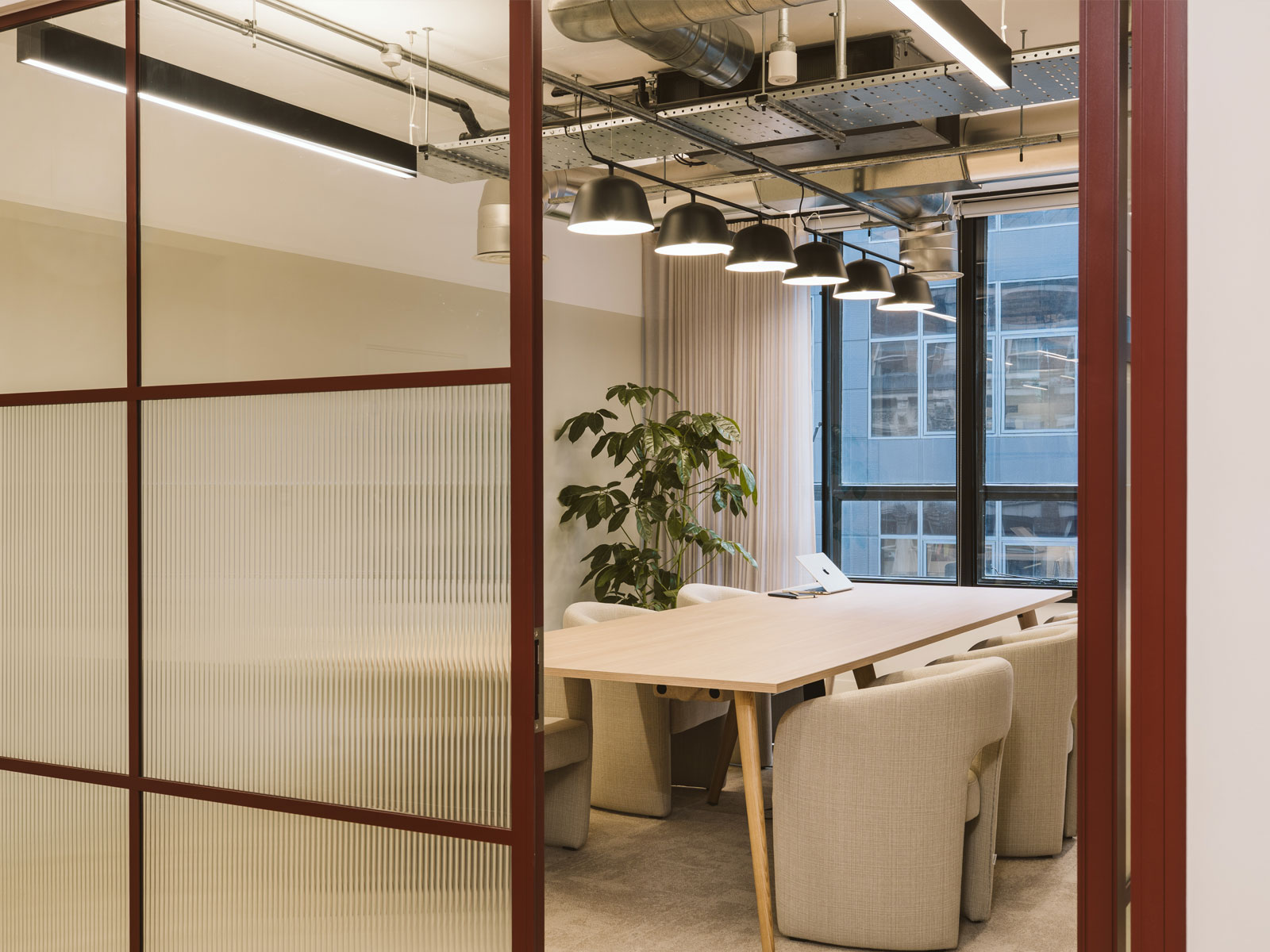
This approach continues on the third floor, where a 5,508 sq ft CAT A+ fit‑out delivers a calm, flexible workspace ready for immediate occupation. The floorplate offers a curated mix of environments, from soft‑landing and lounge‑style areas that create an informal welcome, to agile collaboration zones, quiet rooms and social hubs that support movement, privacy and connection. This layered spatial strategy enables a natural flow of interaction while still providing places for focused, individual work.
Spratley & Partners took a fabric‑first, low‑carbon approach, keeping existing building services, raised access floors, lighting, partitions and screens wherever possible. This improved the building’s environmental performance and helped to future‑proof the asset in line with evolving ESG expectations.
This well‑considered plug‑and‑play specification reduces tenants’ upfront fit‑out costs and helps the landlord bring space to market more quickly, aligning workspace design with leasing strategy.
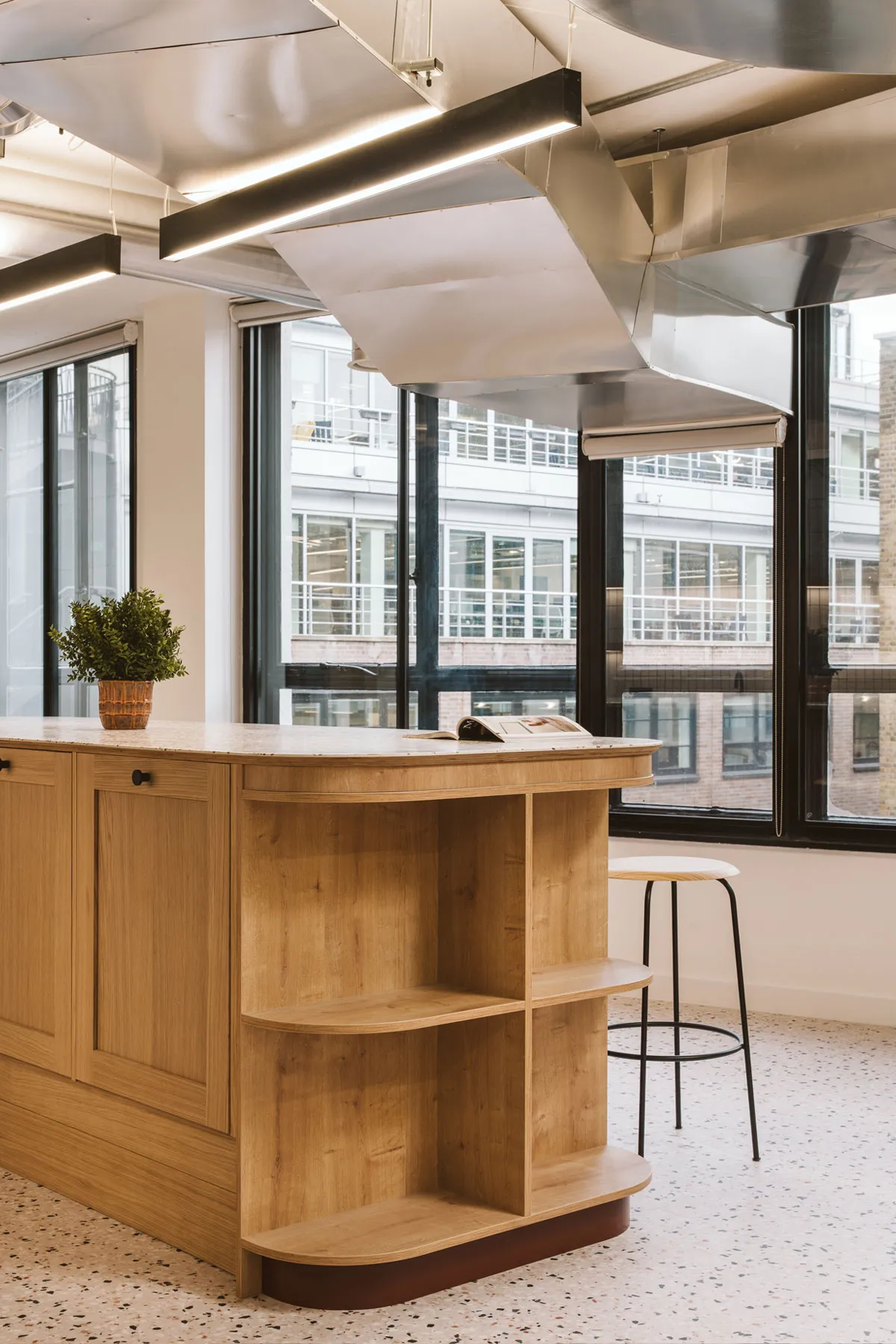
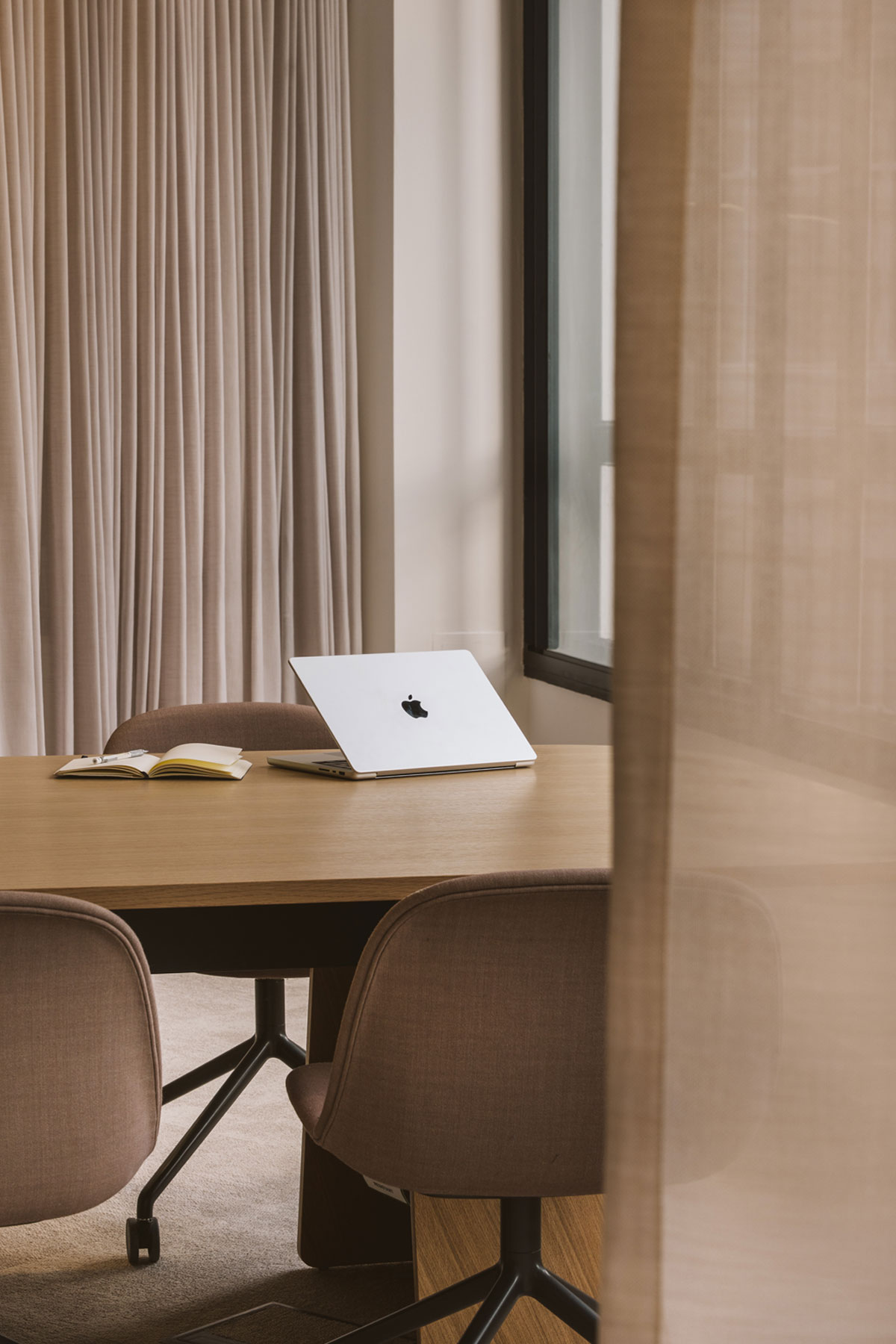
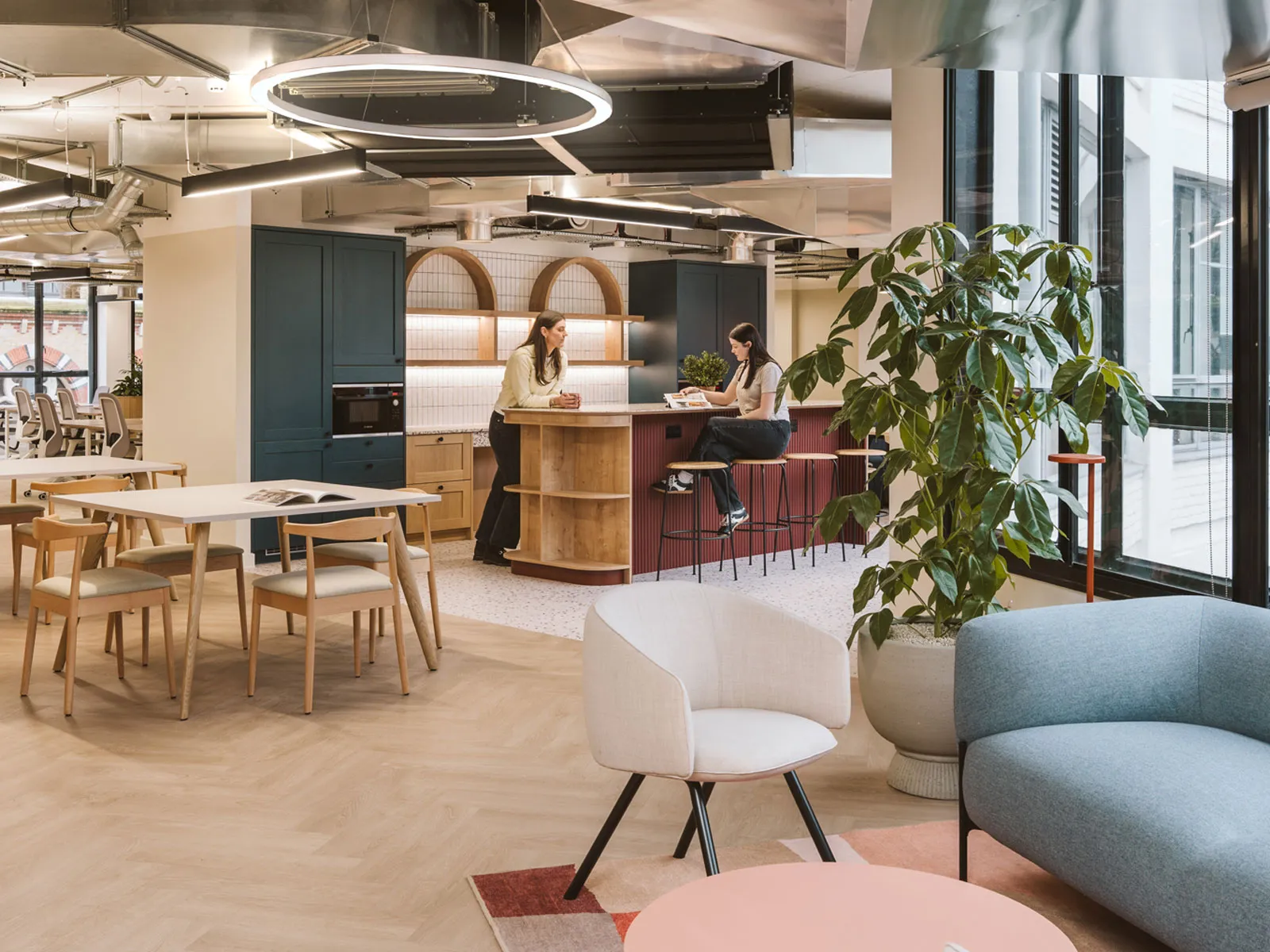
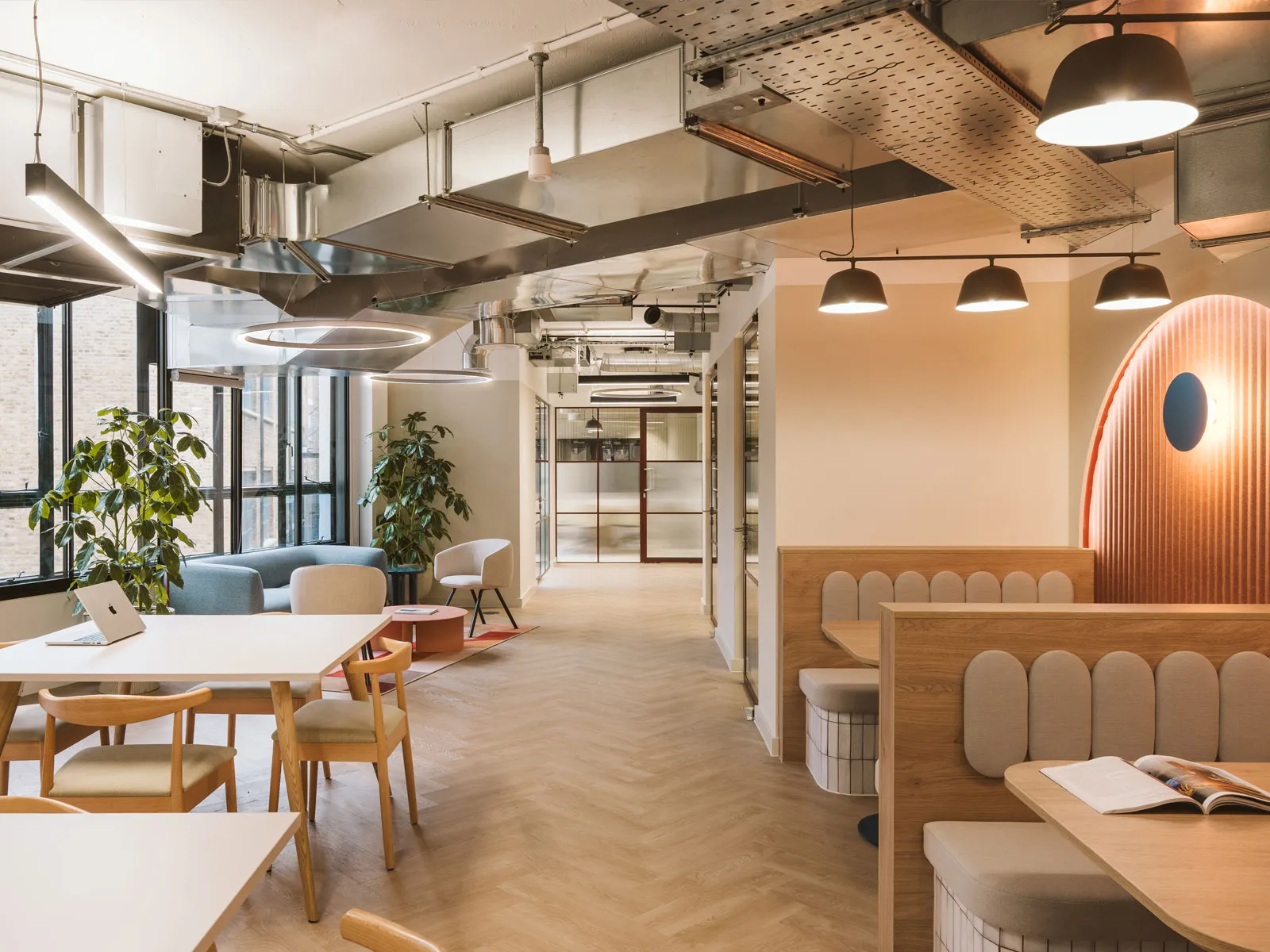
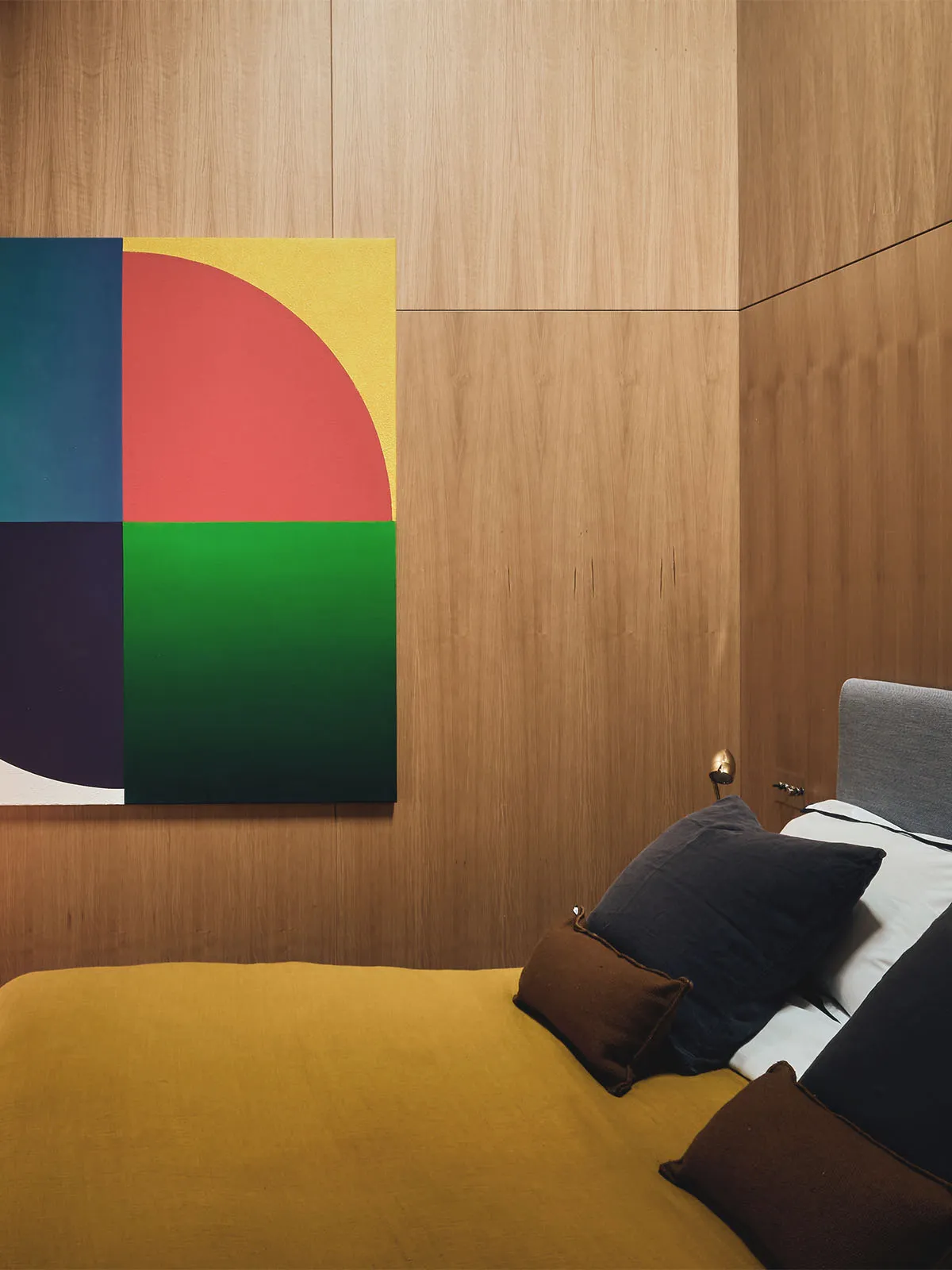
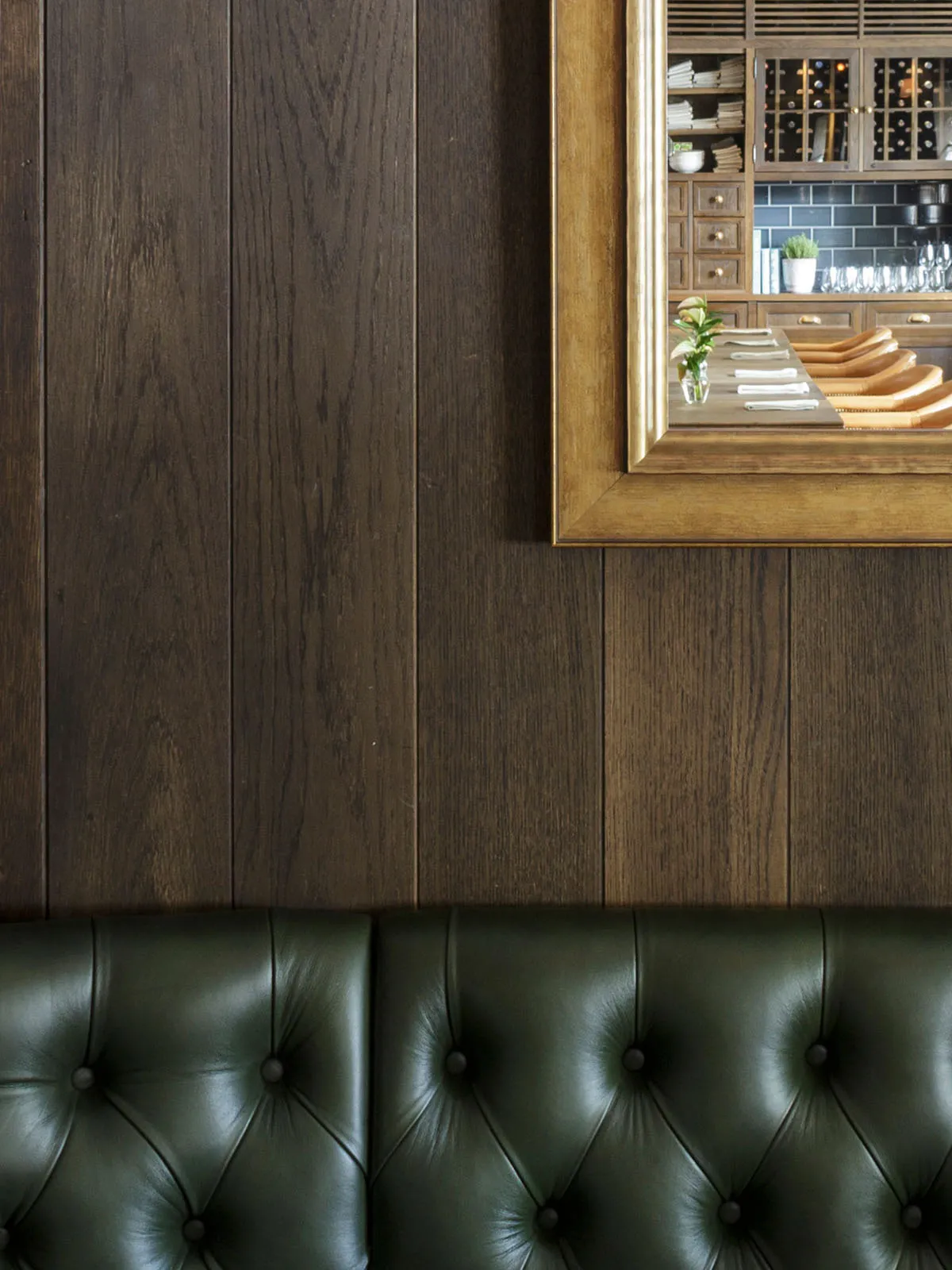
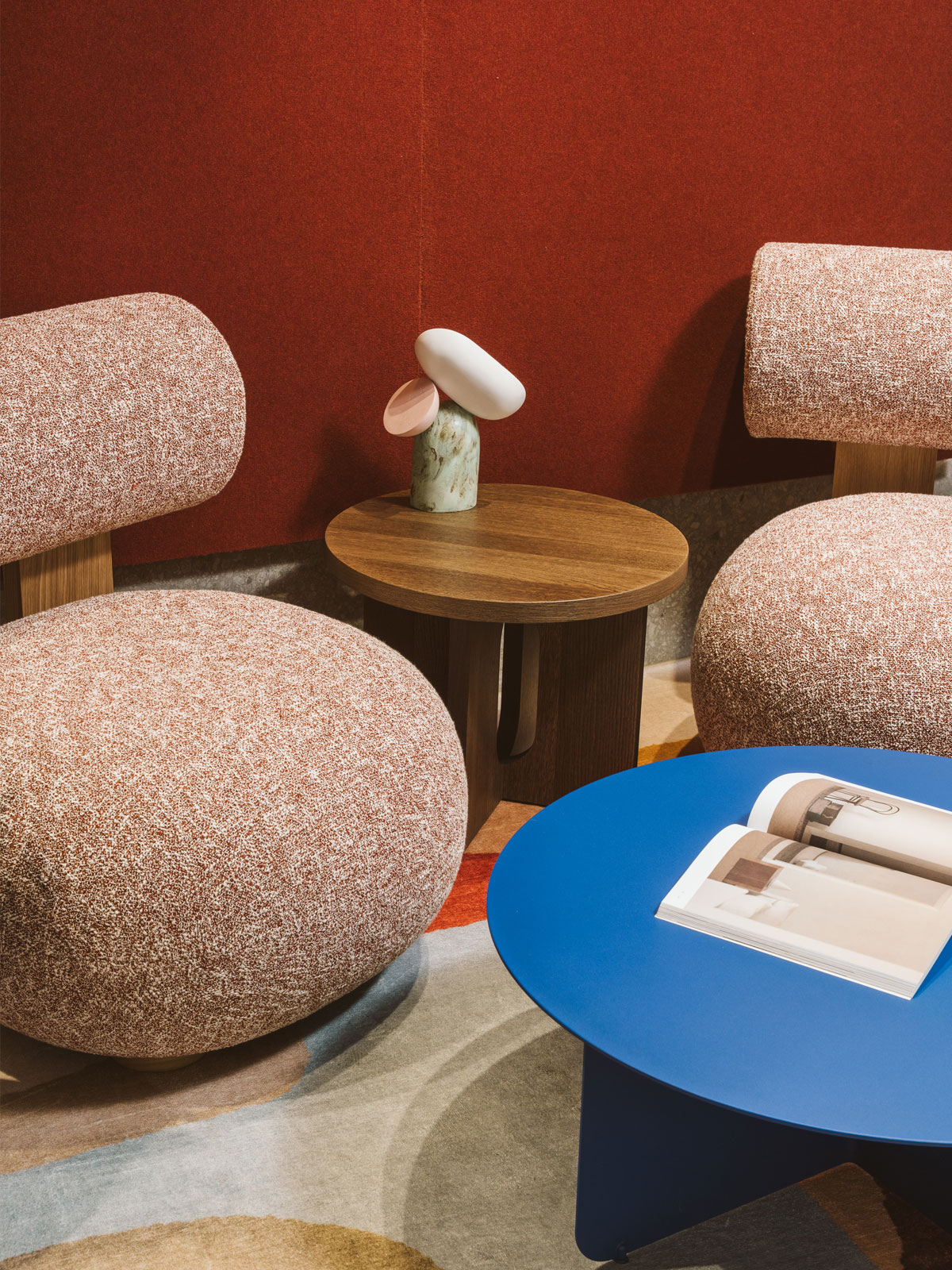
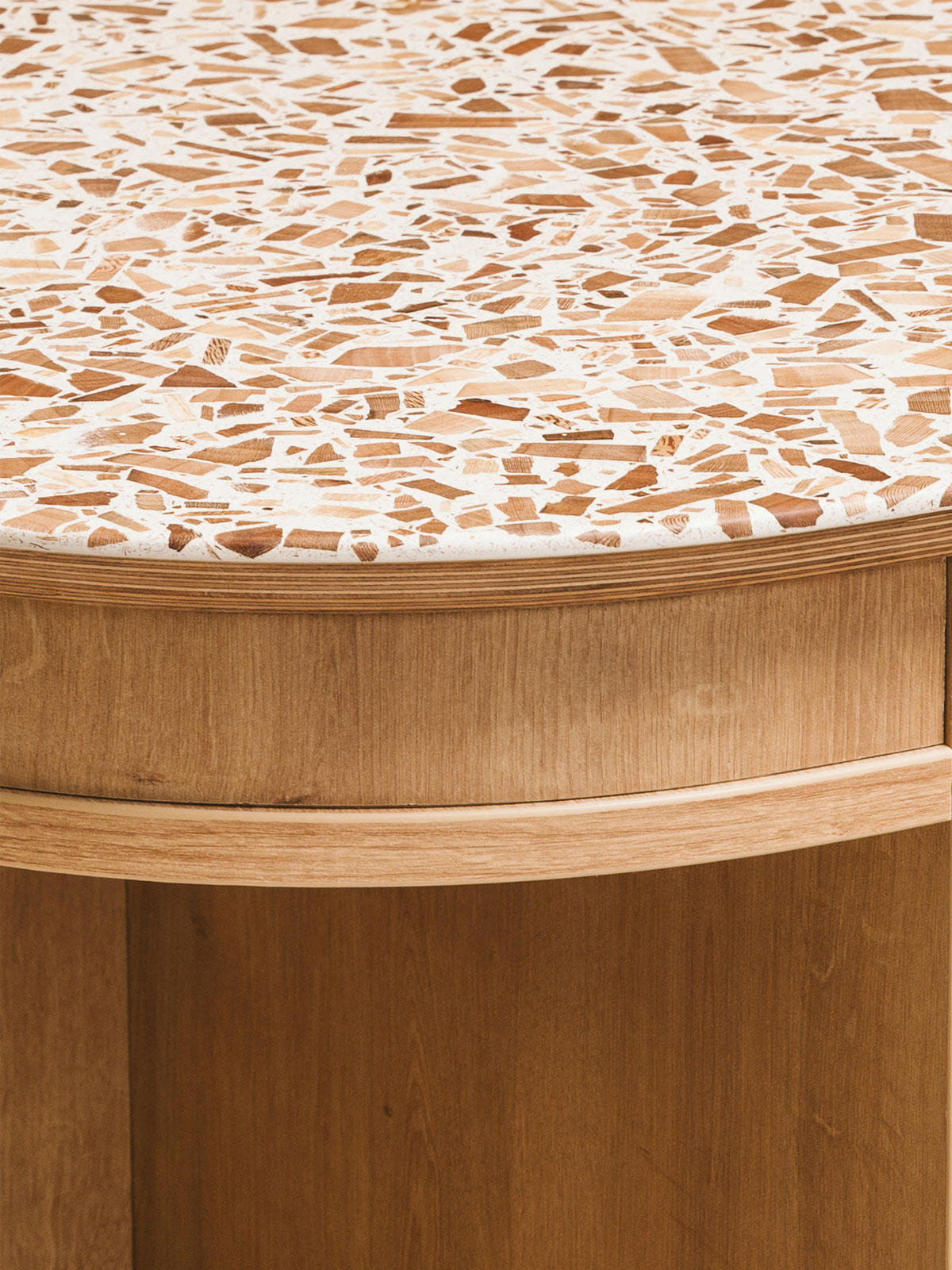
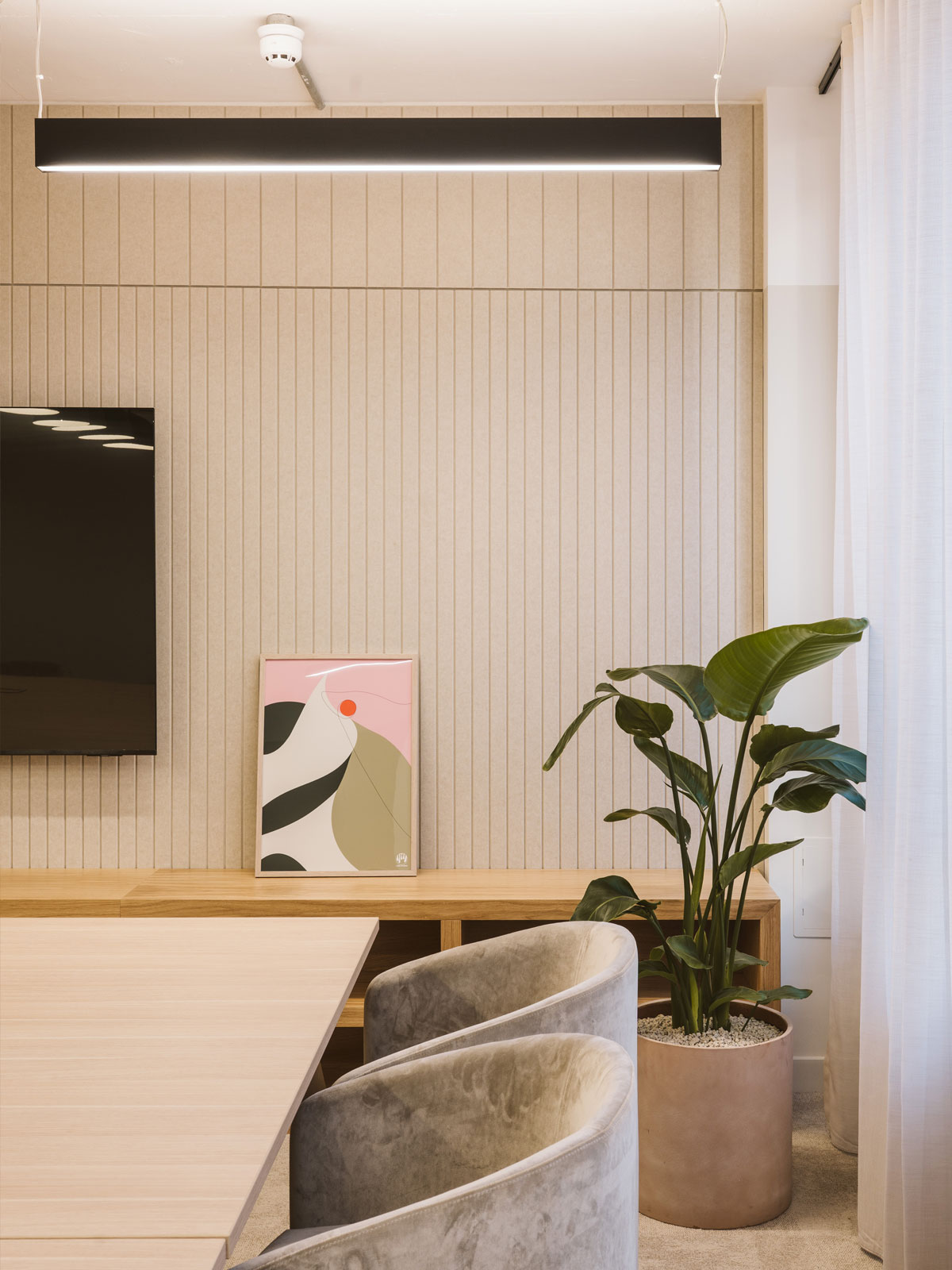
A sophisticated yet sustainable material palette combines reclaimed and low‑impact finishes such as recycled brick and timber terrazzo with warm‑toned timber, textured fabrics and lime‑wash surfaces. Acoustic panelling is integrated seamlessly into the design, and the workplace is supported by integrated planting, inclusive amenities and adaptable work settings.
Together, these choices support acoustic comfort, natural and biophilic connections, and both physical and mental wellbeing, reinforcing the project’s environmental responsibility and tenant appeal.
-Template-Wide.jpg)
Anchored in human experience, delivered within a live, tightly regulated context and underpinned by low‑carbon, fabric‑first strategies, 33 Farringdon Point demonstrates how a human‑centric, wellbeing‑led brief can align directly with commercial performance.
The project sets a clear benchmark for future workplaces, proving that destination offices can simultaneously enhance daily user experience, strengthen tenant appeal and resilience, and support the long‑term value of the asset.
Architect
Spratley & Partners
Contractor
Build Generation
PM/QS
Project & Building Consultancy
MEP Consultant
CHPK